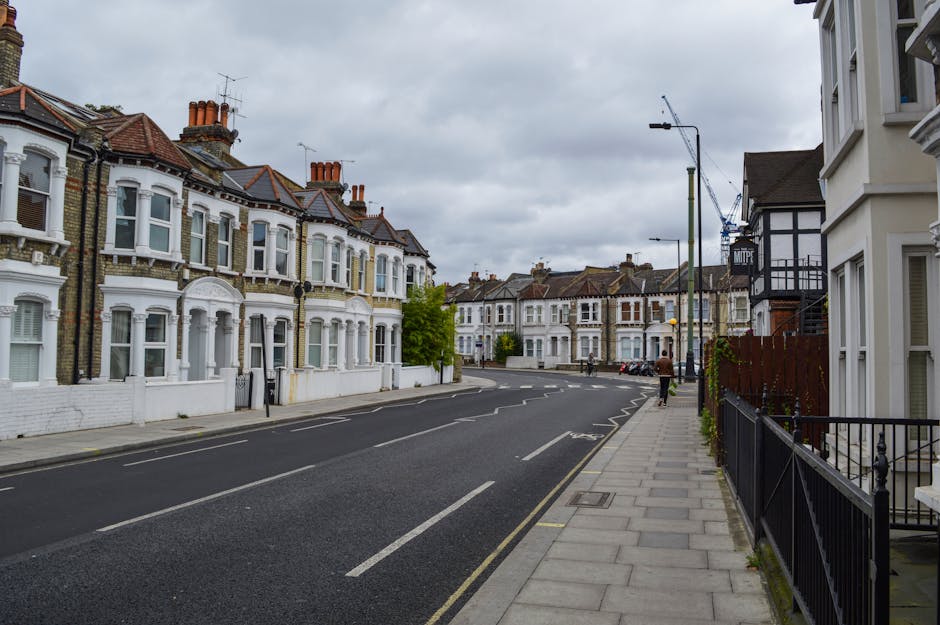
Tower Bridge Road house removals access tips Bermondsey
If you are planning a move along Tower Bridge Road, you probably already know the headache is not the boxes. It is the access. Narrow frontages, busy traffic, shared entrances, awkward parking, and that one item that always seems to be wider than the hallway. These Tower Bridge Road house removals access tips Bermondsey are written for exactly that kind of move: practical, local, and focused on what actually makes moving day smoother.
In Bermondsey, a well-planned route can save time, reduce lifting, and stop a simple house move from turning into a long, sweaty shuffle up and down stairs. Truth be told, the best removals often look boring from the outside. That is usually a good sign. In this guide, you will get a clear view of how access planning works, what to check before moving day, where the common bottlenecks appear, and how to keep everything under control without overcomplicating it.
Contents
- Why Tower Bridge Road house removals access tips Bermondsey matters
- How Tower Bridge Road house removals access tips Bermondsey works
- Key benefits and practical advantages
- Who this is for and when it makes sense
- Step-by-step guidance
- Expert tips for better results
- Common mistakes to avoid
- Tools, resources and recommendations
- Law, compliance, standards, or best practice
- Options, methods, or comparison table
- Case study or real-world example
- Practical checklist
- Conclusion
- Frequently asked questions
Why Tower Bridge Road house removals access tips Bermondsey matters
Access is the quiet variable that can make or break a home move. On Tower Bridge Road and the surrounding Bermondsey streets, the challenge is rarely just distance. It is how the van stops, how far the team has to carry items, whether there is enough room to turn, and whether the property itself is easy to work in. A move that looks straightforward on paper can become awkward fast if the loading point is blocked or the building entrance is tighter than expected.
This matters because every extra step adds time and risk. A longer carry increases the chance of knocks to walls, scrapes to furniture, and simple fatigue. Even if you are using a skilled man and van service, access still shapes the whole day. Better access planning means fewer delays, less lifting, and a calmer start to your move.
There is another side to it too. Tower Bridge Road sits in a part of London where traffic can change quickly, road works appear without much warning, and timing matters more than people expect. If your move is only ten minutes late, it may still affect parking, lift bookings, neighbours, or your overall schedule. So yes, access tips are not glamorous. They are the bit that saves the day.
Expert summary: The best Bermondsey house move is usually the one where the route from van to front door is short, clear, and agreed before anyone starts lifting. That is the real win.
How Tower Bridge Road house removals access tips Bermondsey works
Good access planning starts before the removal vehicle arrives. It is a simple process, but it works best when you treat it like a sequence rather than a vague to-do list. First, you identify where the van can stop safely. Then you check the path between the vehicle and the property entrance. After that, you look at the inside of the property: stairs, lifts, tight corners, door widths, and anything fragile or awkward.
In practice, that means asking a few specific questions. Can a removal vehicle pause outside the address, even briefly? Is there any resident-only parking or loading restriction? Does the building have a lift, and if so, what size is it? Are there steps at the entrance? Do you need to protect flooring or walls on the way in? These are not dramatic questions, but they are the right ones.
If you are booking a broader move, a provider offering house removals or local removals will usually ask for these details in advance. That is a good sign. It means they are trying to plan the route and the load properly rather than guessing on the day.
Access work also includes packing discipline. If the large items are ready first, the team can keep the route moving. If loose items are still being sorted while the van waits outside, the whole schedule can drift. Small thing, but it really matters.
Key benefits and practical advantages
When access is planned properly, the benefits show up in very ordinary ways. The move feels less rushed. The crew is not waiting around. Furniture is less likely to be damaged. And you are less likely to have that horrible moment where everyone is carrying a wardrobe through a space that is clearly too tight for comfort.
- Shorter loading times: a clear parking spot and direct route reduce delays.
- Less physical strain: fewer steps and shorter carries make a long day easier.
- Lower risk of damage: careful access planning reduces collisions with door frames, stair rails and walls.
- Better timing: a more predictable schedule helps if you are working around a handover, lift booking or key collection.
- Less stress: honestly, this may be the biggest one. A calm move is usually a planned move.
There is also a commercial benefit if you are comparing quotes. When a removals team knows the access details early, they can quote more accurately and recommend the right vehicle, team size, or support service. That is useful if you are considering removals and storage as part of a staged move, or if you need to split the move into two parts for practical reasons.
Another advantage is flexibility. If you know access is awkward, you can arrange support in advance rather than improvising. That might mean extra packing help, a smaller vehicle, or temporary storage for bulky items you do not want to move in a rush. Simple, but smart.
Who this is for and when it makes sense
This guide is for anyone moving home on or near Tower Bridge Road in Bermondsey, but it is especially useful if your property has limited street space, shared access, upper-floor rooms, or no obvious loading bay. If you live in a flat conversion, an apartment block, a terraced house with a tight entrance, or a building with lift rules, you will probably recognise the pain already.
It is also relevant if you are moving on a deadline. End-of-tenancy moves, completion day moves, student moves, and family moves with children all tend to become more sensitive when access is poor. You do not need a "big" move for access to matter. Even a modest one-bedroom move can drag if the route from van to front door is messy.
If you are only moving a few items, the same logic still applies. A smaller job may suit small removals or a more flexible transport option, especially if you need quick in-and-out collection without occupying the street for long. And if you are moving a flat, especially with stairs or limited parking, flat removals is a natural fit.
It also makes sense when you are not fully ready to move everything at once. Maybe you are between homes, waiting for a refurbishment, or simply trying to avoid cluttering a new place on day one. In those cases, storage can take the pressure off. A lot of people find that a short stint in short-term storage makes the move feel more manageable. No drama. Just breathing room.
Step-by-step guidance
Here is the most practical way to handle a Tower Bridge Road move. Follow it in order and you will catch most of the avoidable problems before they become expensive ones.
- Measure the basics. Check door widths, stair turns, lift size, and the rough distance from van to entrance. You do not need to become a surveyor, just note the tricky bits.
- Map the parking or loading point. Identify where the vehicle is most likely to stop. Think about time of day, traffic flow, and whether a short stay outside the property is realistic.
- Look for bottlenecks. Bin stores, low walls, railings, steep steps, narrow front gardens, and awkward corners all slow a move down. They are the little gremlins of access.
- List your largest items. Sofas, wardrobes, beds, mirrors, appliances, and dining tables need the most planning. If one item is awkward, measure it twice.
- Tell the removals team early. Give them the details before moving day so they can prepare the right equipment and vehicle.
- Pack for easy carry. Use sturdy boxes, keep weight sensible, and label fragile or priority items clearly. A good move starts with decent packing, not with last-minute panic.
- Protect the route. If needed, arrange coverings for floors, corners or bannisters. It is a bit old-fashioned, perhaps, but it works.
- Build in time. Add a small buffer. London traffic and building access do not always play nicely together.
If you want support with the packing side of things, a service such as packing services can help you get items sorted in a way that speeds up lifting and unpacking. That is especially useful if you are moving with children, working around a job, or just tired of the sight of tape.
And if access is clearly going to be complicated, it may be worth looking at a bundled approach with removals rather than trying to stitch several separate arrangements together. Fewer moving parts usually means fewer surprises. Usually.
Expert tips for better results
The biggest improvement often comes from thinking like the crew on the day. Where will they arrive? What will they have to carry first? What will slow them down? Once you start viewing the property as a route instead of a space, access becomes much easier to manage.
One useful tip is to stage the move by room. Put priority items near the exit the evening before. That reduces wandering around on the morning of the move, which is exactly when you do not want extra noise, extra footsteps, or the kettle being boiled for the sixth time.
Another good habit is to keep a clear "first load" zone. This is the group of items that should go out first: essentials, bulky pieces, and anything that blocks the hallway. It sounds obvious, but a lot of people lose time because everything is scattered in a half-packed blur.
If you live in a building with rules around shared spaces, check whether the lift needs booking or whether you should avoid busy periods. It is a small detail that can have a big effect. And if you are moving a home office, art supplies, or filing cabinets, consider whether some items are better handled separately through office storage or document storage rather than being rushed into the main van load.
Finally, be realistic about the weather. A dry May morning is one thing. A damp, grey Bermondsey afternoon is another. Wet steps and narrow passages are not ideal, so have mats, covers, and a bit of patience ready. It is London. The skies like to have opinions.
Common mistakes to avoid
Most access problems are predictable. That is the annoying part. The good news is that once you know the common traps, you can avoid them without much effort.
- Assuming parking will be easy. It often is not. Never rely on hope alone.
- Forgetting to measure large furniture. A sofa that fits in your current place may still hate the new staircase.
- Leaving boxes in the hallway. This blocks the route and slows the whole job.
- Not warning the removals team about steps or lifts. Surprises are expensive when they involve lifting.
- Overpacking boxes. Heavy boxes are slower to move and more likely to split.
- Ignoring building rules. Shared entrances, lift bookings, and quiet hours can all matter.
- Trying to move everything at once when access is poor. Sometimes a split move is simply smarter.
One more thing. Do not let the day become a puzzle you solve on the doorstep. If you are unsure about a bit of access, ask in advance. It feels slightly awkward for about ten seconds, then it saves you hours. That is a decent trade.
Tools, resources and recommendations
You do not need specialist gear to make a removals job go well, but a few simple tools help a lot. A tape measure is the obvious one. A phone camera is next. Take photos of the entrance, stairwell, parking area, and any awkward turns. It is much easier to explain a tight landing with a picture than with a vague sentence like "it is a bit fiddly."
Basic moving supplies also make access smoother: strong boxes, tape, furniture covers, floor protection, labels, and a bag for screws and fittings. If you are packing in stages, keep a small essentials box with chargers, toiletries, tea bags, toilet roll, and a change of clothes. You will thank yourself later.
If you are moving a heavier or mixed household load, you may also want to compare whether household storage is useful for overflow items, especially if the new property is not quite ready. For business-related moves, business storage or office removals can help keep important items organised and out of the way.
Some people also prefer a more incremental approach, using mobile self storage or self storage to reduce pressure on moving day. That can work well if the access is tight and you would rather clear the property in a few smaller waves instead of one heroic effort that leaves everyone grumpy by lunchtime.
Law, compliance, standards, or best practice
Moving a house in Bermondsey is not usually a highly regulated event in the way some specialist industries are, but a few best-practice areas still matter. Vehicle parking, loading, and obstruction rules need to be respected. Building management rules, lift use, and shared-area access matter too. If the move affects communal spaces, it is sensible to be considerate and to avoid blocking entrances or creating hazards.
Good removals practice also includes reasonable care for property and belongings. That means safe lifting, suitable packing, and clear communication about fragile items or awkward objects. If you are using a removals provider, it is worth checking their health and safety policy and reading their insurance and safety information so you understand how they approach risk, handling, and responsibility.
Security and payment are worth a quick check too, especially if you are booking services online. Clear payment terms, transparent quotes, and secure handling of customer details are all sensible signs. If you are comparing providers, the page on payment and security and the page for pricing and quotes are useful starting points.
If you care about responsible disposal, it is also fair to ask how unwanted items are handled. A provider that explains recycling and sustainability is often taking the process a little more seriously. That does not solve access issues, of course, but it does give you a more complete picture.
Options, methods, or comparison table
Not every move on Tower Bridge Road needs the same level of support. Sometimes you only need a small vehicle and a careful plan. Other times, the access is awkward enough that a more complete removals-and-storage setup makes life easier. Here is a simple comparison to help you think it through.
| Option | Best for | Strengths | Trade-offs |
|---|---|---|---|
| Full house removals | Larger moves or family homes | More support, better coordination, less lifting for you | Usually more planning needed, especially with access |
| Local removals | Short Bermondsey or south London moves | Efficient, familiar with local roads and timings | Still needs careful parking and loading planning |
| Man and van | Smaller moves or flexible schedules | Quick, often practical for tight streets | May be limited for large furniture or long carries |
| Removals and storage | Staged moves, delays, or overflow items | Reduces pressure and helps with timing gaps | Extra coordination and possible storage costs |
| Self storage | When you want control over timing | Flexible and useful for decluttering before move day | Requires you to manage the storage transfer yourself |
To be fair, no option is perfect for every household. The right choice depends on access, volume, timing, and how much lifting you want to do yourself. If your move is simple, keep it simple. If it is messy, do not pretend it is simple just to save a few minutes of planning.
Case study or real-world example
A typical Bermondsey move might look like this. A couple is leaving a second-floor flat near Tower Bridge Road. The building has a narrow staircase, limited frontage, and a shared entrance that should stay clear. On paper, it is not a huge move. In reality, the wardrobe is bulky, the sofa is awkward, and the parking outside is busy by late morning.
Instead of arriving and hoping for the best, they take a few sensible steps: they photograph the stairwell, measure the biggest furniture, move smaller boxes to the front room the night before, and arrange a removals team that understands local access. They also keep a short-term storage option in mind for the items they are not ready to place in the new home straight away.
The moving day still has the usual bits of noise and dust and that faint smell of cardboard and tape. But it runs smoothly. The crew does not waste time reworking the load. The doorframes stay intact. Nobody has to stand in the hallway with a confused expression and a chair that definitely used to look smaller.
That is the point. Good access planning does not make moving glamorous. It just makes it bearable, and often quicker than people expect.
Practical checklist
Use this checklist a day or two before the move. It is simple, but it catches a lot of the stuff people forget when they are busy.
- Measure doorways, stairs, lifts, and any tight corners.
- Confirm where the vehicle can stop or load safely.
- Check for parking restrictions, building rules, or lift bookings.
- Photograph the entrance and any awkward access points.
- Identify the largest and heaviest items early.
- Keep hallways and landings as clear as possible.
- Pack a priority box with essentials for the first night.
- Protect floors, bannisters, and fragile surfaces if needed.
- Tell the removals team about access issues in advance.
- Allow extra time for London traffic and building delays.
- Decide whether any items should go into storage first.
- Have contact numbers and keys ready before the team arrives.
If you are moving office items as well, or you have paperwork that should not be mixed into the general load, you may also want to separate that early with document storage. It is one of those small decisions that saves a headache later.
Conclusion
Tower Bridge Road house removals access tips Bermondsey are really about one thing: making the practical side of moving more predictable. Once access is mapped properly, almost everything else becomes easier. Parking, carrying, timing, furniture handling, even the mood of the day all improve a bit. And moving day could use all the help it can get.
If you remember only a few things, make them these: measure early, photograph the tricky bits, tell the removals team the truth about access, and do not leave the packing until the last hour. That is the difference between a controlled move and a hectic one. Not always dramatic, but very real.
And if your situation is more complicated than a straightforward house move, it is perfectly sensible to use storage, packing support, or a smaller removals setup to keep things manageable. Better to plan a tidy move than to improvise through the hallway with a wardrobe and a prayer.
Get a free quote today and see how much you can save.
Even a slightly awkward move can go well when the plan is thoughtful and the pace is steady. That is usually enough.
Frequently Asked Questions
What are the main access issues for house removals on Tower Bridge Road?
The most common issues are limited parking, busy traffic, narrow entrances, stairs, lift restrictions, and short carrying distances that become longer than expected. Those are the usual suspects.
Should I measure my furniture before booking removals?
Yes. Measure your largest items and compare them with doorways, stair turns, and lift dimensions. It is far easier to solve a size problem before moving day than during it.
How far in advance should I mention access problems?
As early as possible. The best time is when you first request a quote or discuss the move. That gives the removals team time to plan the right vehicle and manpower.
Is a man and van enough for a Bermondsey move?
Sometimes, yes, especially for small or flexible moves. But if access is tricky or you have bulky furniture, a more complete removals service may be the safer choice.
What should I do if parking outside my property is restricted?
Check the local loading options, build in extra time, and tell the removals company exactly what is available. If parking is very tight, the move may need a smaller vehicle or a different loading plan.
Can storage help if access is difficult?
Yes. If you do not need everything moved in one go, storage can reduce pressure and make the process more manageable. It is especially useful for phased moves or temporary overlaps.
How do I make stair carries safer?
Keep stairs clear, protect fragile surfaces, and avoid overloading boxes. Good communication matters too, because one person saying "left, then stop" is worth more than three people guessing.
What is the best way to prepare a flat for removals?
Clear the route from each room to the exit, separate essentials, dismantle large furniture where needed, and label fragile items clearly. For upper-floor moves, flat-specific planning helps a lot.
Do I need to book lift access in advance?
If your building requires it, yes. In many shared buildings, lift bookings or moving windows are a normal part of the process. It is worth checking well before the move.
What if I only have a few items to move?
For a smaller load, a smaller removal option may be ideal. You can also combine the move with short-term storage if you are not ready to place everything at once.
How can packing services help with access problems?
Good packing helps create stackable, easier-to-carry loads and reduces last-minute sorting. That speeds up loading and makes the route from home to van much smoother.
What should I ask a removals company before booking?
Ask how they handle parking, stairs, large items, insurance, and building access. You should also check how they quote for difficult access so there are no surprises later.
Is it worth using removals and storage together?
If your move is split across dates, or you have items that do not need to go into the new home straight away, yes. It can make the whole job feel much less crowded and rushed.