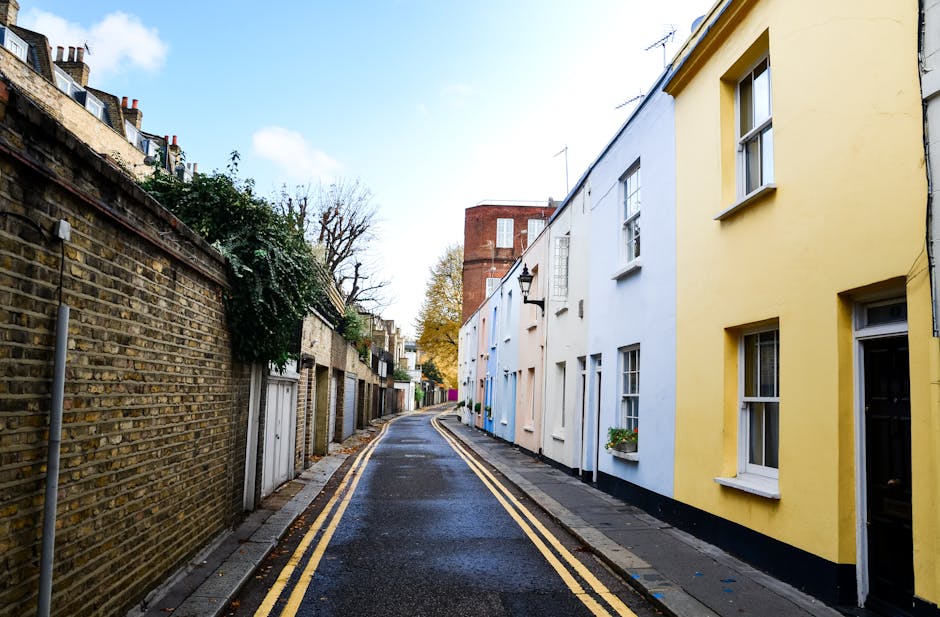
Bermondsey Street removals tips for narrow roads: a practical guide for smoother moving day
If you are planning a move on Bermondsey Street, you already know the main challenge is not the packing. It is the road itself. Tight access, limited stopping space, passing traffic, awkward building entrances, and the simple fact that a van cannot always pull up exactly where you want it all make the day more complicated. That is why Bermondsey Street removals tips for narrow roads matter so much: the right approach can save time, reduce stress, and help you avoid those small moving-day problems that somehow become huge at 8:15 in the morning.
This guide breaks the process down into clear, practical steps. You will find advice on planning vehicle access, protecting furniture, choosing the right moving method, and handling the realities of London street conditions without drama. Truth be told, a narrow road move is rarely about brute force. It is about timing, communication, and a bit of common sense.
For anyone who wants extra support with a local move, it can help to look at local removals or a more flexible man and van service, especially when the street layout makes a full-size lorry less practical. And if you are moving into or out of a flat, flat removals is often the more realistic starting point.
Table of Contents
- Why Bermondsey Street removals tips for narrow roads Matters
- How Bermondsey Street removals tips for narrow roads Works
- Key Benefits and Practical Advantages
- Who This Is For and When It Makes Sense
- Step-by-Step Guidance
- Expert Tips for Better Results
- Common Mistakes to Avoid
- Tools, Resources and Recommendations
- Law, Compliance, Standards, or Best Practice
- Options, Methods, or Comparison Table
- Case Study or Real-World Example
- Practical Checklist
- Conclusion
- Frequently Asked Questions
Why Bermondsey Street removals tips for narrow roads Matters
Bermondsey Street has the kind of character people love: busy, central, full of life, and not especially forgiving when a moving van arrives at the wrong moment. Narrow roads change the whole rhythm of a removal. A van may need to stop further away than planned. Carrying distances can be longer. Stairs may be steep, and doorways can be tighter than they looked during the viewing. And if you are moving at the same time as everyone else is trying to get to work, it can feel a bit like a well-intentioned puzzle with one missing piece.
That matters because the road layout affects every part of the move: how you load, where you park, whether you need extra hands, and how much wrapping and dismantling you should do before arrival. Small choices made before moving day can prevent avoidable delays later. If a sofa gets stuck in the stairwell, or a van ends up double-parked while everyone waits, the cost is not just time. It is pressure.
There is also a practical storage angle. If access is tight and you cannot move everything in one clean run, it may be worth using removals and storage so you can split the move into manageable stages. That is often the calmer option, especially for busy households and small businesses that cannot afford a messy handover.
Expert summary: On narrow Bermondsey Street roads, the winning strategy is usually not the biggest vehicle or the fastest crew. It is the best-prepared one.
How Bermondsey Street removals tips for narrow roads Works
In simple terms, narrow-road moving works by reducing friction before the van arrives. You plan access, pack more intelligently, choose the right vehicle size, and decide what should be carried, dismantled, stored, or moved in phases. If you think of the move as a sequence rather than one giant task, it becomes much easier to control.
Here is the basic flow:
- Assess the route and loading point. Look at where the van can reasonably stop, how far items will need to be carried, and whether there are obstacles such as parked cars, bollards, or one-way restrictions.
- Choose the right removal setup. A smaller vehicle or a more agile service can often be better than a large van that struggles to turn or unload safely.
- Prepare items for a longer carry. Good packing, sturdy boxes, and furniture protection become even more important when every item has to travel a bit farther.
- Coordinate the timing. Early morning or quieter slots are often easier in practice, though local conditions can vary day to day.
- Keep the route clear inside the property. Narrow hallways are not a place for guesswork. Remove trip hazards, protect corners, and create a clear path before the first box moves.
For many households, the best fit is a tailored service such as house removals, while smaller, lighter moves may suit small removals. That choice really does make a difference. A too-large vehicle on a tight street is a classic moving-day headache.
Key Benefits and Practical Advantages
Good narrow-road planning is not just about avoiding problems. It also creates a noticeably better move. When access is organised properly, the day feels calmer, the crew works more efficiently, and fragile items are less likely to be handled in a rush.
- Less time wasted: Fewer back-and-forth trips between van and property means the move keeps moving.
- Lower damage risk: When items are packed and carried properly, there is less chance of scuffs, knocks, or accidental drops.
- Better use of labour: A small crew can perform well when the load plan is realistic. A poor plan can make even a strong team feel stretched.
- Less stress for neighbours: Narrow streets can be sensitive. Clean access and a tidy load-in window reduce friction with nearby residents.
- More flexibility: If traffic or parking changes, a well-prepared move can adapt more easily.
There is also an organisational benefit that people often miss. A narrow-road move encourages you to declutter properly. Once you start measuring, sorting, and packing with access in mind, it becomes obvious which items are worth moving now and which ones would be better stored for later. That is where short-term storage can be useful. If your completion date and handover date do not line up neatly, storage can smooth out the gap without turning your home into a maze of boxes.
Who This Is For and When It Makes Sense
This approach is especially useful for people moving from Bermondsey Street, into Bermondsey Street, or anywhere nearby with similar access constraints. It makes sense if you are dealing with any of the following:
- top-floor flats with tight staircases
- period properties with narrow hallways or awkward turns
- busy weekday moves where stopping space is limited
- office relocations in a street with regular foot traffic
- students or sharers moving with mixed loads and not much time
- small businesses that need a careful, discreet move with minimal disruption
For offices, the planning logic is slightly different, but the access challenge is the same. If you have equipment, files, or furniture to shift through a narrow street, a dedicated office removals service may be the better fit. If the move involves paper records, it can also be worth thinking about document storage before you transport every single archive box at once.
To be fair, not every move needs a big production. Sometimes a compact van, a few careful hands, and a sensible route plan is enough. Other times, you need a more deliberate setup because the road simply will not cooperate. That is normal. Nothing wrong with that.
Step-by-Step Guidance
If you want a practical way to tackle Bermondsey Street removals, use this sequence. It is simple, but it works.
1. Measure access, not just rooms
Measure door widths, stair turns, lift dimensions, and any awkward corners. A sofa can look perfectly manageable in the lounge and still become a problem at the landing. If possible, measure the route from the property to the van stop as well. That tells you how far heavy items may need to be carried.
2. Decide what needs to be moved on the day
Be ruthless here. Do you really need every lamp, every box of books, every spare chair? Narrow-road moves get easier when the load is smaller. Anything non-essential can be moved earlier, stored temporarily, or left until access is simpler.
3. Pack for distance and handling
Use strong boxes, label them clearly, and avoid overfilling them with heavy items like books or tools. Longer carry distances mean boxes will be lifted more often, so poor packing becomes obvious very quickly. Wrap furniture edges, secure doors, and keep loose parts together in labelled bags.
4. Plan the vehicle size carefully
This is where a lot of people get caught out. Bigger is not always better. On a narrow road, a smaller van that can park and unload cleanly is often more efficient than a larger vehicle that blocks the street and slows everything down.
5. Create a fast loading zone inside the property
Place packed items near the exit if possible. Keep walkways clear. On the morning itself, you want a clean, predictable flow from room to hallway to van. It sounds basic, but basic is often what saves the day.
6. Use storage if timing or access gets messy
If keys, completion times, parking, or access windows are uncertain, split the move. A flexible storage option can take pressure off the schedule. In many cases, self storage or mobile self storage gives you breathing room without needing to rush decisions.
7. Keep communication clear
The driver, the movers, and the person managing the property should all know the plan. One missed message can create five minutes of confusion, and on a narrow road that can snowball surprisingly fast.
Expert Tips for Better Results
Once the basics are in place, these are the little details that tend to make the biggest difference.
- Aim for the quietest window you can reasonably manage. In many London streets, that can make loading far smoother. Less traffic means less pressure.
- Keep an eye on weather. Rain turns cardboard soft, makes steps slippery, and slows everything. A few extra covers or plastic wraps can help.
- Pre-break bulky furniture where it is safe to do so. Removing table legs or bed frames before the move often saves time at the narrowest point.
- Pack a first-night box. Put kettle, chargers, toilet paper, keys, and a few basics in one clearly marked box. You will be grateful later.
- Use colour labels. A simple colour system for rooms can reduce the time spent asking, "Where does this go?"
- Protect corners and banisters. The same spot often gets knocked more than once. Not ideal, but common.
One small but valuable trick: if you know the van will be parked a little away from the entrance, pack by weight as well as by room. Heavier items in smaller boxes. Lighter, bulkier items in larger ones. It sounds obvious, but in the rush of a move, obvious things get missed all the time.
And yes, keep a roll of tape in your pocket. You will need it when you least want to go looking for it.
Common Mistakes to Avoid
Narrow-road removals usually go wrong in predictable ways. The good news is that most of them are avoidable.
- Booking a van that is too large: This is the classic mistake. It can create parking issues, wasted time, and unnecessary stress.
- Leaving packing too late: Rushed boxes fail more often, and they are slower to carry.
- Ignoring stair access: The road is only half the problem. Inside access often matters just as much.
- Not checking timing against other commitments: If your key handover, lift booking, or parking window is tight, the whole day becomes brittle.
- Forgetting storage as a backup: A move does not have to happen all in one shot.
- Assuming the shortest route is the best route: Sometimes a slightly longer approach gives the van a cleaner stop and makes the move faster overall.
Another common one? Thinking you can "just make it work" with no plan. That usually sounds fine on Tuesday and terrible by Friday afternoon. Better to plan properly now.
Tools, Resources and Recommendations
You do not need a huge toolkit, but a few practical items make a noticeable difference. Here is what tends to help on narrow-road moves:
| Item | Why it helps | Best use |
|---|---|---|
| Furniture blankets | Protects items from knocks and scuffs | Tables, wardrobes, bed frames, appliances |
| Strong boxes | Makes carrying safer and easier | Books, kitchenware, mixed household items |
| Straps and tape | Keeps items secure during carry and transit | Loose drawers, wrapped bundles, dismantled parts |
| Labels | Reduces confusion at arrival | Room-by-room organisation |
| Dolly or sack truck | Helps move heavier items safely | Longer carries and flat ground near loading areas |
| Storage boxes for documents | Keeps paperwork tidy and intact | Small office or home admin items |
If your move includes a business element, the right storage option may be just as important as the van. Business storage can help when stock, furniture, or files need to be kept safe between addresses. For larger furniture pieces that are awkward to move through a tight street or staircase, furniture storage can reduce pressure on the moving day itself.
For people who need a cleaner handover date, secure storage is often a sensible bridge. It is not glamorous, but it works. And honestly, that is what matters.
Law, Compliance, Standards, or Best Practice
For a narrow-road move in London, the main issue is usually not a special Bermondsey-specific law; it is following normal UK road safety and property-access best practice carefully. That means avoiding unsafe parking, not blocking access unnecessarily, and making sure lifting and carrying are done in a way that reduces the risk of injury or damage.
If you are arranging parking or loading for a removal vehicle, local restrictions may apply depending on the street, time, and vehicle type. Because rules can change and streets can be busy, it is sensible to confirm the practical details early rather than assume a van can stop exactly where you want it. That tiny assumption causes more headaches than people expect.
From an operational point of view, a good removals provider should also have clear policies on safety, handling, and insurance. If you want to understand how a company approaches these matters, pages such as health and safety policy, insurance and safety, and terms and conditions are useful places to start. They do not make moving day exciting, but they do make expectations clearer.
For environmentally minded moves, it can also be worth checking how unwanted items are handled. A responsible approach to reuse and disposal is a nice bonus, especially when you are decluttering before a move. Recycling and sustainability is one way to keep the process a bit more thoughtful.
Options, Methods, or Comparison Table
There is no single perfect method for every Bermondsey Street move. The best choice depends on access, volume, budget, and timing. Here is a practical comparison to help you think it through.
| Option | Best for | Pros | Trade-offs |
|---|---|---|---|
| Full removals service | Households with lots of furniture or fragile items | Most comprehensive support, less physical effort for you | Can be more than you need for a very small move |
| Man and van | Smaller loads, short distances, flexible access | Agile, practical, often well suited to narrow roads | Less capacity for large, complex moves |
| Small removals | Compact flats, student moves, partial loads | Efficient and often easier to coordinate | May require a bit more self-preparation |
| Removals and storage | Moves with timing gaps or uncertain access | Flexible, reduces pressure, useful for phased moves | Requires extra planning and a separate storage step |
If you are not sure which route to choose, start with the least complicated version that still meets your needs. A lot of people overestimate how much they need to move in one day. Once you sort the keep, store, and donate piles, the job suddenly looks more manageable.
Case Study or Real-World Example
Here is a realistic example. A couple moving out of a second-floor flat near Bermondsey Street had a decent amount of furniture, but the road outside only allowed limited stopping space. A large van would have made unloading awkward, and the stairwell inside the building was narrow enough to make a wardrobe transfer a bit nerve-wracking.
Instead of trying to do everything in one oversized run, they broke the move into sections. Boxes and smaller items were packed early and labelled by room. The heaviest pieces were dismantled the night before. A smaller vehicle was used, which meant the stop was quicker and the unloading area stayed clear. A few items that were not needed immediately went into storage for two weeks while the new place was prepared.
The result? Less waiting, fewer awkward lifts, and a much calmer handover. Not a miracle. Just good planning.
That kind of approach is especially helpful if you are balancing family life, work, and a move all at once. If the street is tight and your schedule is tighter, the move benefits from being split into sensible stages. Sometimes slower is faster. Weird, but true.
Practical Checklist
Use this before moving day. Keep it simple.
- Measure doorways, stairs, and any tight turns
- Check where the van can stop safely and legally
- Decide whether you need a small van or a larger removal vehicle
- Pack fragile items in strong, well-labelled boxes
- Dismantle bulky furniture where possible
- Protect floors, banisters, and corners inside the property
- Prepare a first-night box with essentials
- Confirm keys, access times, and handover arrangements
- Set aside anything that should go into storage
- Keep mobile numbers handy for everyone involved
- Review safety and insurance information before the day
- Leave a little buffer in the timetable. Honestly, you will want it.
If the move is more complex than expected, do not panic. A short delay or a revised loading order is normal. The key is to stay organised and keep the plan flexible enough to absorb small changes without turning the whole day upside down.
Get a free quote today and see how much you can save.
Conclusion
Bermondsey Street removals are perfectly manageable when you respect the limits of the road and plan around them. The narrow access, tight parking, and busy local rhythm are not deal-breakers. They just mean you need a smarter approach: smaller where necessary, better packed, better timed, and backed by realistic expectations.
Whether you are moving a flat, a family home, or a small office, the same principle applies. Reduce pressure before moving day, keep the route clear, and use storage or a more flexible service when the street demands it. That is the difference between a move that feels chaotic and one that feels under control.
And once the last box is in, there is a strange little relief to it all, isn't there? The kettle goes on, the street noise fades into the background, and suddenly the hard part is behind you. That moment is worth planning for.
Frequently Asked Questions
What is the best removal vehicle for narrow roads on Bermondsey Street?
Usually a smaller, more manoeuvrable van is the safer choice. The best vehicle is the one that can park close enough to unload without blocking the street or creating delays.
Should I book a full removals service or a man and van for a narrow-road move?
It depends on how much you are moving. A full removals service suits larger, more complex moves, while a man and van can be ideal for smaller loads and tighter access.
How do I prepare furniture for a move on a narrow street?
Dismantle what you can, wrap edges, secure loose parts, and use blankets or covers for protection. This reduces handling problems when items need to be carried further from the van.
Can storage help if access is difficult on moving day?
Yes. Storage is very useful when the move needs to be split into stages or when access, key handover, or timing does not line up neatly.
How far in advance should I plan a Bermondsey Street move?
As early as you can, ideally once your moving date is realistic. Narrow-road moves benefit from route planning, packing time, and a sensible vehicle choice.
What should I do if parking is limited outside the property?
Plan a fallback loading point, keep the team informed, and consider a smaller van. Do not rely on a last-minute miracle spot appearing just because you need it.
Are flat moves harder on Bermondsey Street than house moves?
Often yes, because flats can combine narrow stairs, tighter internal access, and road restrictions. That is why flat removals can be more suitable than a one-size-fits-all approach.
How can I reduce the risk of damage during a narrow-road move?
Pack carefully, use strong boxes, protect furniture, and keep pathways clear. The more times an item has to be handled, the more important good wrapping becomes.
Do I need to worry about compliance or safety planning?
Yes, at least at a practical level. Safe parking, sensible lifting, clear access, and checking the provider's safety and insurance information all matter on a street like this.
What is the biggest mistake people make with narrow-road removals?
Booking the wrong vehicle size or underestimating the access challenge. That single choice can create avoidable stress for the rest of the day.
Is short-term storage worth it for a Bermondsey move?
Definitely, if you have a timing gap or too much to move at once. It gives you breathing room and can turn a cramped day into a much more controlled process.
How do I know whether my move is too small for a full removals crew?
If you only have a modest number of boxes and a few items of furniture, a smaller service may be enough. The right fit depends on volume, access, and how much help you want on the day.